The History of Reiki
ABOUT
靈氣歴史
Reiki has a history that spans more than a century, yet much of its early story was not well‑known outside Japan for many decades.
As Reiki spread internationally beginning in the late 1930s, misunderstandings, embellishments, and sometimes deliberate distortions found their way into the accounts of Usui Sensei and the development of his art. As a result, many books and online sources still repeat information that is not historically accurate.
In the late 1990s, new research and previously unavailable materials from Japan brought forward a clearer and more factual understanding of Reiki’s origins. This page brings together information from these reliable sources to present a historically grounded view of Usui Reiki Ryoho.
Dedicated researchers such as Frank Arjava Petter, Tadao Yamaguchi, Justin Stein, Olaf Bohm, Hyakuten Inamoto, Mamoru Wakatake and Hiroshi Doi have each contributed significantly to what we now know through their publications and historical work.
Even after all this time, new discoveries continue to be made, bringing light and historical clarity to our practice.
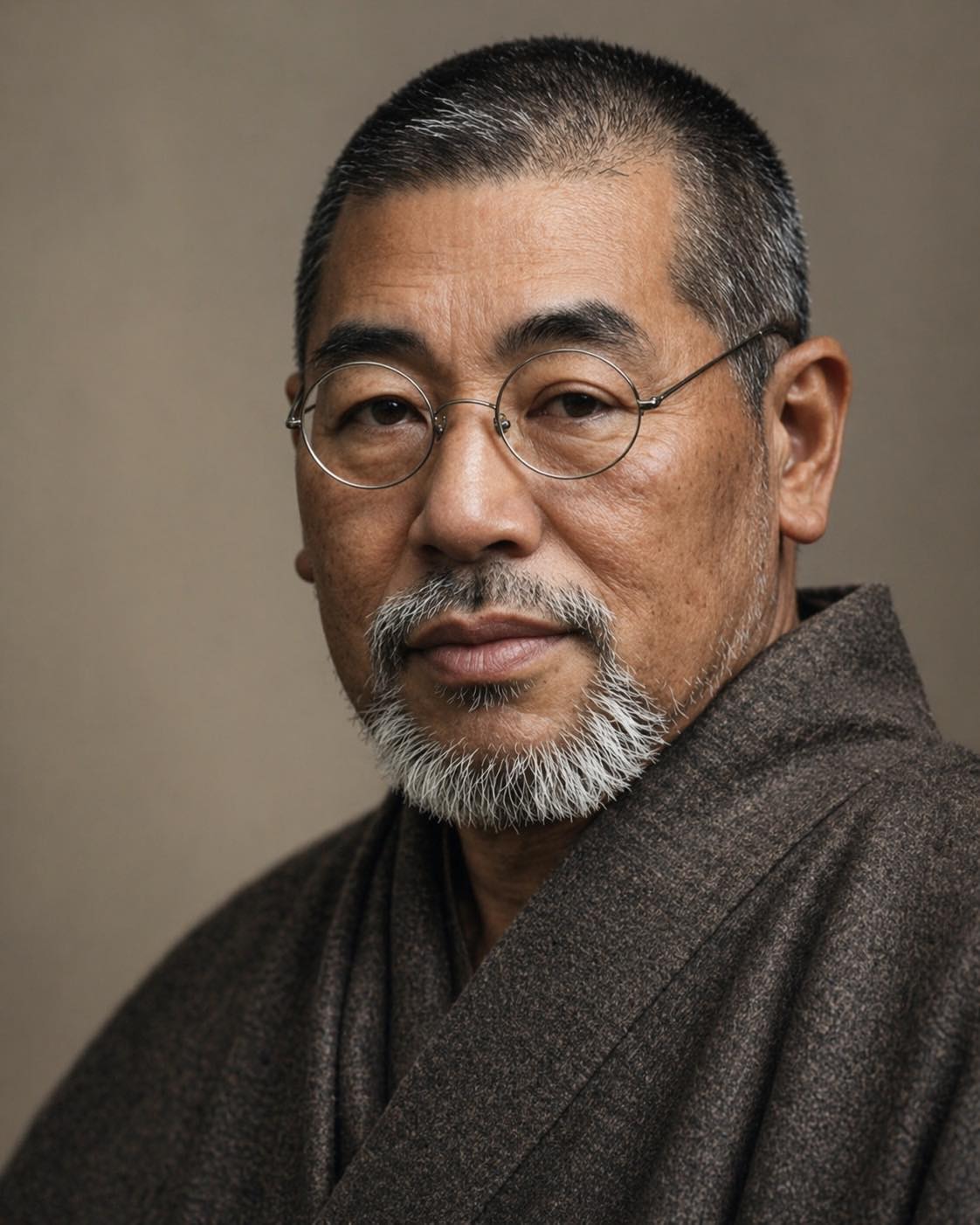
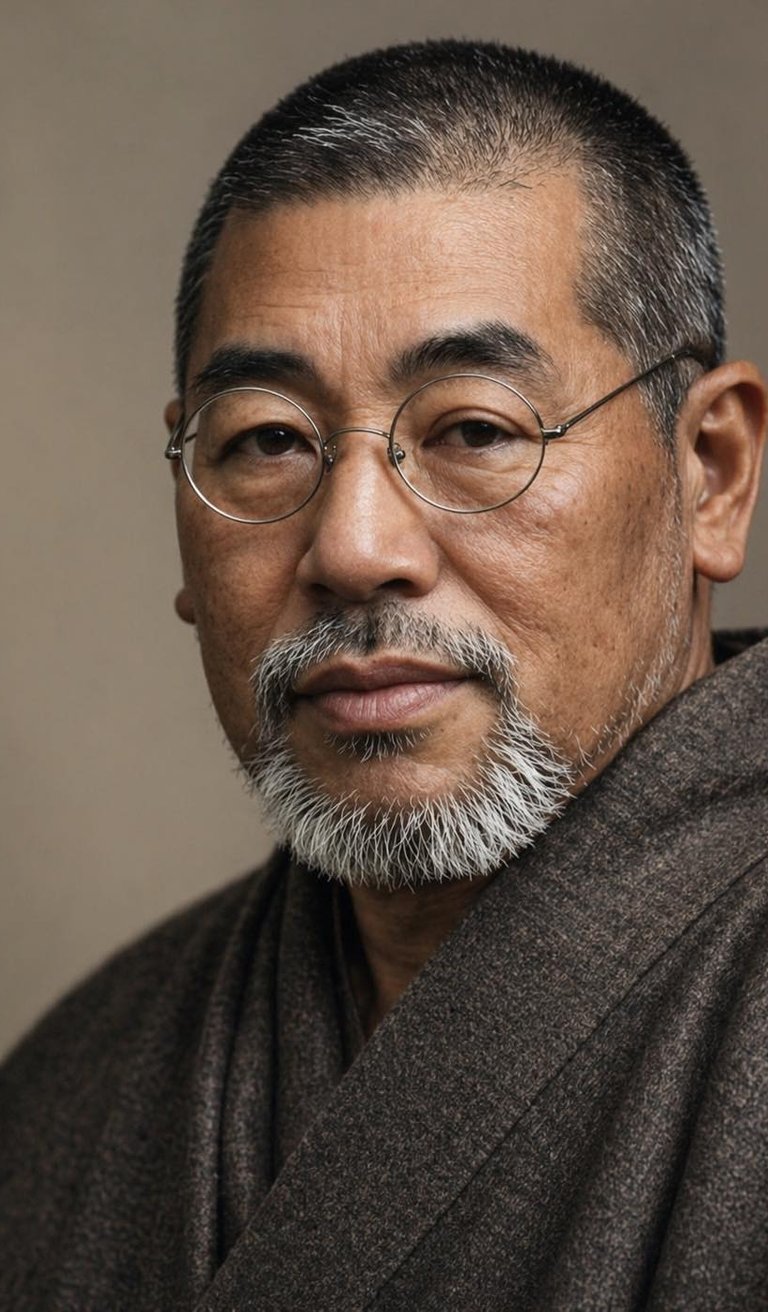
Usui Mikao 臼井甕男
What we know today as Reiki began in Japan with a man named Mikao Usui. He was born on August 15, 1865, in Taniai‑mura (now Miyamacho), located in Gifu Prefecture in western Japan. Usui came from a respected family and could trace his lineage back to the samurai Tsunetane Chiba, a well‑known figure in Japanese history.
Usui’s father, Uzaemon, was a sake brewer and one of the wealthiest citizens of Taniai. His mother, Sadako, came from the Kawai family. Usui was the second of four children, with an older sister and two younger brothers. Although he grew up in a prosperous household, he did not wish to inherit the family business. In his early twenties, he left home to pursue his own path.
As a young adult, Usui held many occupations throughout his life. He worked as a journalist, a civil servant, a religious missionary, a company employee, and even served as the secretary to a political figure. Despite his efforts, he was never a wealthy man and often had to work hard simply to make ends meet. In his early fifties, a business failure that led to bankruptcy deeply affected him. This turning point caused him to question the true purpose of life.
Over the next several years, Usui devoted himself to study and contemplation. He came to believe that the real purpose of life was to attain Anjin Ryūmei—a state of complete peace of mind. Determined to realize this, he began studying at a Zen temple in Kyoto and committed himself fully to this goal.
After three years of intense training, however, he still felt he had not reached the understanding he sought. One day, he approached the temple master for guidance. After listening carefully to Usui’s struggles, the master offered a stark but profound suggestion: “Perhaps you need to die.”
The Discovery of Usui Reiki Ryoho
Feeling discouraged, Usui wondered, “Could he be right? Is my goal impossible in this lifetime?” Yet he remained determined. If the truth existed, he would find it—or die trying. In early March of 1922, Usui left the temple and climbed Mt. Kurama outside Kyoto. On this sacred mountain he committed himself to fasting, meditation, and prayer, waiting for enlightenment…or death.
For days he followed this discipline. He fasted. He read sacred texts. He meditated. Then, one evening during meditation, Usui reported feeling a 'large Reiki' above his head. The energy struck him at the forehead, and he lost consciousness.
When he awoke hours later, he felt completely refreshed—filled with vitality and clarity. As he examined his condition, he realized that something profound had changed. The energy—Reiki—was now within him, resonating in harmony with the universe. In that moment, he understood that he had found what he had been seeking for so long.
Overjoyed, he ran down the mountain. Along the way he stubbed his toe on a rock and instinctively grabbed his foot to soothe the pain. The pain disappeared almost immediately. Usui recognized that something extraordinary had occurred.
In the days that followed, he experimented with this newly awakened ability and witnessed remarkable results. He returned to the temple master and shared everything that had happened. The master confirmed that Usui had indeed discovered what he sought and encouraged him to pass on his knowledge. He also advised Usui to teach and practice the healing aspects of the art, as they were considered an essential part of his path.
The Usui Reiki Ryoho Gakkai
Usui Sensei named his art 心身改善臼井靈氣療法 — Shinshin Kaizen Usui Reiki Ryoho, meaning The Usui Reiki Treatment Method for Improvement of Mind and Body. One month later, he established the Usui Reiki Ryoho Gakkai (Learning Society) to share his teachings more formally.
Usui began with only a few students, but on September 1st, 1923, the Great Kanto Earthquake devastated Tokyo and the surrounding region. During this crisis, Usui offered Reiki widely, and his work quickly became known throughout the community. As word spread about the effectiveness of his art, more and more students sought to learn from him. The growing demand required Usui to move into a larger dojo and eventually travel throughout Japan to teach.
The Death of Usui Sensei
Usui Sensei taught Reiki Ryoho for only four years and is said to have personally instructed more than 2,000 people. On March 9th, 1926, he suffered a major stroke and passed away while teaching in Shizuoka. Historical accounts suggest he had experienced two previous strokes from which he recovered using Reiki. One-year after his passing, senior student Juzaburo Ushida became the second president of the Usui Reiki Ryoho Gakkai. In 1927, Usui’s students erected a memorial stone at Saihoji Temple in Tokyo to honor his life and share his story with the world.
The Usui Reiki Ryoho Gakkai Today
The Usui Reiki Ryoho Gakkai continues to exist today, though it operates privately and continues its 'closed door' policy. The Gakkai remains an invitation‑only organization that practices exclusively within its membership and does not offer Reiki to the public. Starting in the late 1990s and continuing through to today, new information about the Gakkai has gradually become available, but they maintain minimal interaction with the global Reiki community despite being aware of Reiki’s worldwide spread. It is said that the 'Official Stance' on Reiki as it is practiced around the world is indifference. The Gakkai sees itself as having an obligation to preserve the teachings and practice of Usui Sensei and his Shinshin Kaizen Usui Reiki Ryoho. Since the death of Usui Sensei, Gakkai leadership has changed many times. Here is a current list of people who have led the Usui Reiki Ryoho Gakkai (listed with family name first, followed by their given name):
1st. Usui Mikao (1922–1926) — Founder; honored posthumously as 1st President.
2nd. Ushida Juzaburo (1926–1935) — A senior student of Usui and a retired naval officer, Ushida assumed leadership of the Gakkai immediately after Usui’s death. He helped stabilize the organization during a period of transition and is credited with erecting the memorial stone at Saih0ji Temple in 1927. Ushida preserved Usui’s teachings and maintained the Gakkai’s structure until his death in 1935.
3rd. Taketomi Kan'Ichi (1935–1960) — Taketomi, also a former naval officer, continued the Gakkai’s work through the pre‑war and wartime years. Although little is publicly known about his term, he is remembered for maintaining the organization during a challenging era in Japan’s history. His leadership helped ensure the continuity of Usui’s system.
4th. Watanabe Yoshiharu (1960–1960) — A schoolteacher by profession, Watanabe guided the Gakkai during the mid‑20th century. His term is not well documented, but he is recognized for continuing the traditional teaching structure and preserving the private, member‑only nature of the organization.
5th. Wanami Hoichi (1960–1975) — Wanami served as president for several decades and is known for his long stewardship of the Gakkai. Under his leadership, the organization remained private and inward‑focused, maintaining its traditional practices while Reiki began spreading internationally outside the Gakkai.
6th. Koyama Kimiko (1975–1998) — The first woman to lead the Gakkai, Koyama served from 1975 until her death in 1998. She is one of the most publicly referenced Gakkai presidents due to limited interviews and accounts from those who met her. Koyama maintained the Gakkai’s traditional structure and continued its private, invitation‑only approach during a time when Reiki was rapidly expanding worldwide.
7th. Kondo Masayoshi (1999–2007) — Kondo assumed leadership after Koyama’s passing in 1999. Very little is known about his term, consistent with the Gakkai’s longstanding privacy. He continued the tradition of teaching exclusively within the organization and not engaging with the global Reiki community.
8th. Takahashi Ichita (2007–2026 ) — Like his predecessors, Takahashi maintains the Gakkai’s private, member‑only structure with little to no interaction with the outside.
9th. Inoue Noriko (2026–Current) — Inoue Sensei was elected at a general meeting on January 25th of 2026. She is the Grand daughter of Koyama Sensei.
Have any questions?
If you have any questions about the practice of traditional Reiki Ryoho, our training seminars, or an upcoming Reiki event, feel free to contact us.
Dento Reiki Kyokai
傳統靈氣協會
Much in the same way as Usui Sensei, we believe that the practice of Reiki Ryoho is for everyone equally. We do not care about your race, gender, religion or orientations, you are welcome to practice and learn with us.
This website contains images that were created using AI.